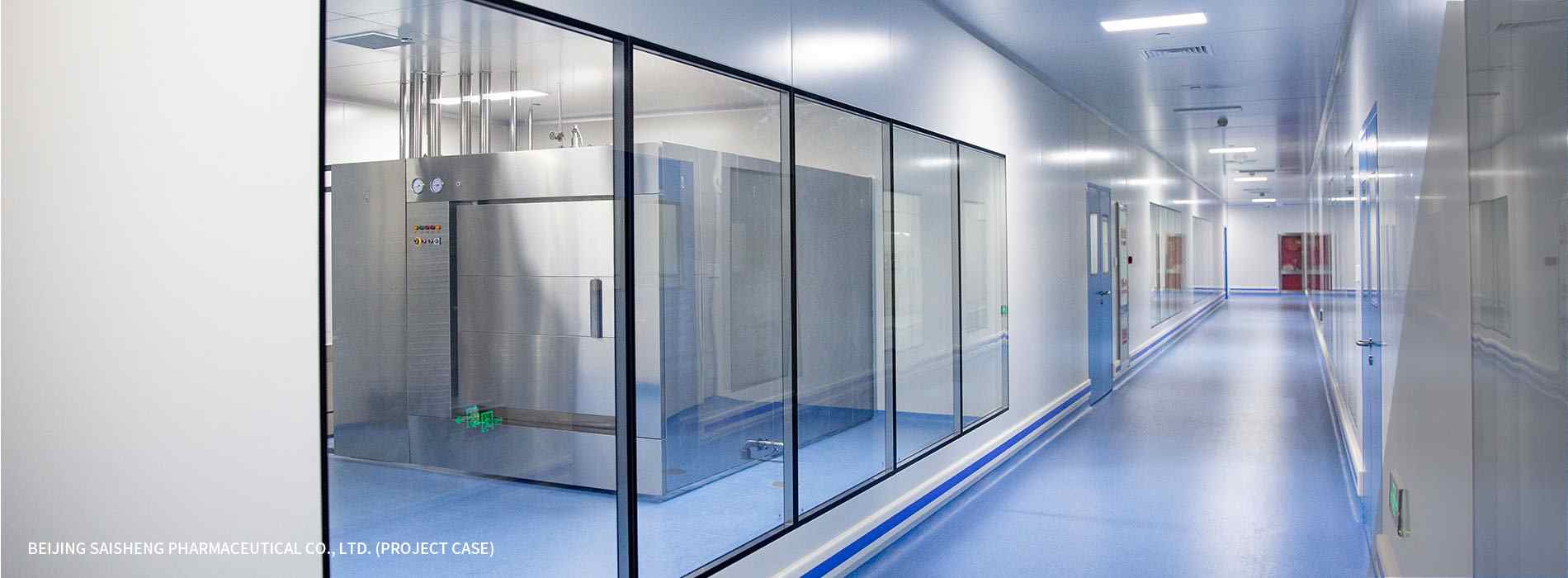
As one of the クリーンルームパネル core materials, rock wool is widely used in clean engineering fields such as electronics, pharmacy, food, biology, aerospace, precision instrument manufacturing and scientific research that require harsh indoor environments. Due to the special properties of rock wool, it has Class A fire resistance, non-combustibility, density ≥120Kg/rn, non-absorption, and high water-repellent rate, which is highly praised by customers.
However, in the market, some unscrupulous merchants use slag wool instead of rock wool, which will greatly reduce the strength and flexural bearing capacity of the clean board. At the same time, in the use environment, the board surface bulge problem due to temperature and humidity will be seriously affected. The quality of product production will cause economic losses to the enterprise. As the largest manufacturer of clean sheets in China, Cnsterilezoom will share with you how to distinguish between rock wool and slag wool?
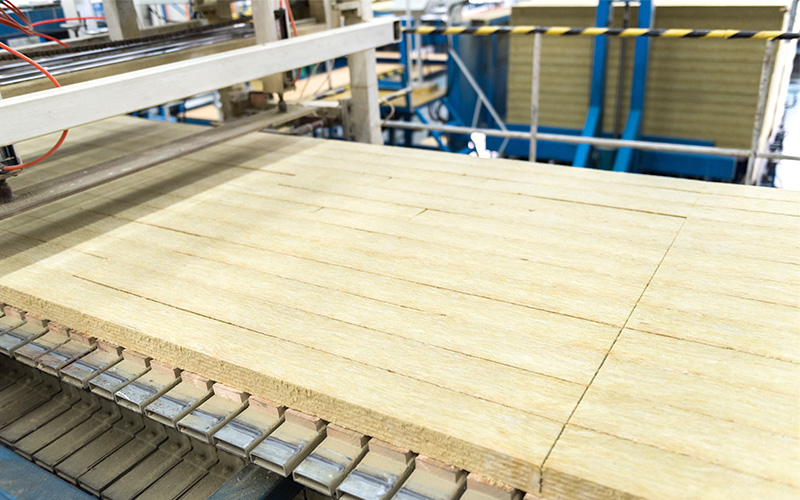
ロックウールとスラグウールの共通点:
1.All belong to mineral wool, using natural rock, or slag and other raw materials through a high-temperature furnace, and forming a non-polar fibrous product under the action of centrifugal force and wind.
2. The main components are silicon dioxide, aluminum oxide, calcium oxide, magnesium oxide and a small amount of iron oxide.
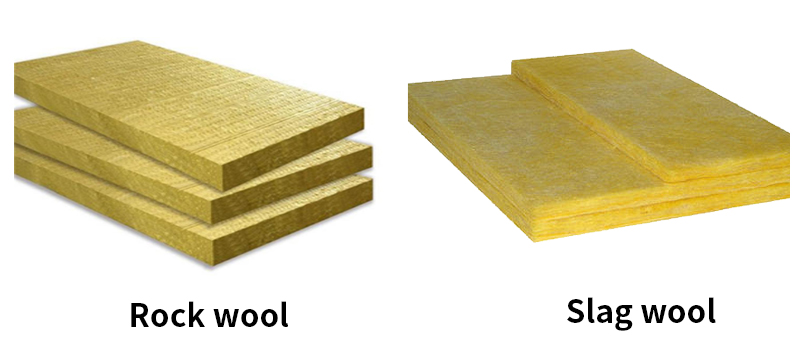
ロックウールとスラグウールの違い:
Traditionally, the product produced with slag as the main raw material is mineral wool, and the product produced with natural stones such as basalt and diabase as the main raw material is called rock wool.
From a professional point of view, the acidity coefficient is generally used as the main indicator to distinguish between rock wool and slag wool. The acidity coefficient refers to the ratio of the sum of acidic oxides to the sum of alkaline oxides in the product, namely: acid-base coefficient MK=(silica + aluminum oxide)/(calcium oxide + magnesium oxide) acidity coefficient ≥ 1.6 It is rock wool, and the acidity coefficient <1.6 はスラグウールです。一般的に、酸性度が大きいほど、ロックウールやスラグウールの耐化学薬品性は向上します。ロックウールは酸性度が高く、化学的安定性や耐熱性に優れています。
主な原料:ロックウールの場合、玄武岩、輝緑岩、斑レイ岩、ドロマイト、石灰岩などの天然鉱石で、通常コークスを燃料とするキューポラで溶融します。スラグウールの場合、高炉スラグ、製鋼スラグ、チタン合金スラグ、非鉄製錬スラグ、鉄スラグ、フライアッシュ、サイクロンスラグなどで、通常コークスを燃料とするキューポラで溶融します。
外観の色:ロックウールは灰緑色で、主に酸化鉄(Fe2O3)による強い着色に起因します。スラグウールの色は白またはオフホワイトです。
pH値:ロックウールのpH値は一般的に<4.です。スラグウールのpH値は一般的に>5、さらには> 5,さらには>6です。 6.
耐水性:ロックウールは耐水性に優れており、スラグウールは耐水性が劣るため湿度の高い環境での使用は避けるべきです。耐熱性:ロックウールの使用温度は最高で 800℃に達し、軟化温度は最高で900〜1000℃に達します。スラグウールは675℃で容易に粉砕・崩壊します。スラグウールの使用温度は675℃を超えてはなりません。 900-1000℃です。スラグウールは 675℃で容易に粉砕・崩壊します。スラグウールの使用温度は 675℃.
耐食性:ロックウールは通常、玄武岩や輝緑岩を原料としており、製錬時にコークスが伴う微量の硫黄を除いて硫黄源がないため、金属に対して腐食作用はありません。スラグウールの主原料はスラグ製造によるものであり、硫黄含有量は約 5%で、湿度の高い環境で使用すると金属と接触した際に腐食作用を引き起こします。
熱伝導率:ロックウールの熱伝導率は 0.037—00.037〜0.039W/m·kです。スラグウールの熱伝導率はやや高めです。
 オンラインサービス
 info@cnsterilezoom.com
 日本語
 English
 français
 Deutsch
 русский
 español
 العربية
 한국의
 ไทย
 हिन्दी